

 Title: Lights, Camera, Inclusion: How Digital Cinema Changed Who Gets to Film
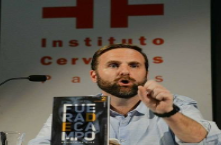
Dr. Arturo Serrano Alvarez, The Core School (Madrid), Head of Research and International Relations
Abstract: When we speak about inclusive cinema, we often focus on representation: films that portray historically marginalized or underrepresented groups in ways that allow audiences traditionally excluded audiences to feel seen and recognized, while also helping others develop empathy and self-awareness. However, inclusion also depends on who gets to tell these stories. True inclusion requires a cinema that is accessible to make—economically and technically—so that people can represent themselves rather than be represented through external, paternalistic perspectives. This workshop explores how digital cinema has been a transformative force in making filmmaking more accessible and, therefore, genuinely more inclusive.
Bio: Arturo Serrano is a film scholar with a PhD in Cultural Studies from the University of London. He has taught film history and theory in Venezuela, United States, Ecuador, Spain, and previously served as Director of the Film Program at the Universidad de las Artes (Ecuador) and Director of the Bachelor in Filmmaking at TAI (Madrid). He is currently Director of Research and International Relations at The Core School (Grupo Planeta, Madrid). His research interests include film history, authorship, digital cinema, and questions of representation and access in contemporary audiovisual culture.
כותרת: אורות, מצלמה, הכלה: כיצד קולנוע דיגיטלי שינה את מי שמגיע לקולנוע
ד״ר ארתורו סראנו אלוורז, בית הספר הליבה (מדריד), ראש מחקר ויחסים בינלאומיים
תקציר: כאשר אנו מדברים על קולנוע כוללני, אנו מתמקדים לעתים קרובות בייצוג: סרטים המציגים קבוצות מודרות או תת-מיוצגות באופן היסטורי בדרכים המאפשרות לקהלים שמסורתי מודרים להרגיש נראים ומוכרים, ובמקביל עוזרים לאחרים לפתח אמפתיה ומודעות עצמית. עם זאת, הכלה תלויה גם במי שמקבל את הסיפורים הללו. הכלה אמיתית דורשת קולנוע נגיש ליצירה – מבחינה כלכלית וטכנית – כך שאנשים יוכלו לייצג את עצמם במקום להיות מיוצגים דרך נקודות מבט חיצוניות ופטרנליסטיות. סדנה זו בוחנת כיצד קולנוע דיגיטלי היה כוח טרנספורמטיבי בהפיכת עשיית קולנוע לנגישה יותר, ולכן, באמת כוללנית יותר.
ביו: ארתורו סראנו הוא חוקר קולנוע בעל תואר דוקטור בלימודי תרבות מאוניברסיטת לונדון. הוא לימד היסטוריה ותיאוריה של הקולנוע בוונצואלה, ארצות הברית, אקוודור וספרד, ולפני כן שימש כמנהל תוכנית הקולנוע באוניברסיטת לאמנויות (אקוודור) וכמנהל התואר הראשון בקולנוע ב-TAI (מדריד). כיום הוא מנהל מחקר ויחסים בינלאומיים בבית הספר The Core (Grupo Planeta, מדריד). תחומי המחקר שלו כוללים היסטוריה של הקולנוע, יצירת יוצרים, קולנוע דיגיטלי ושאלות של ייצוג וגישה בתרבות האודיו-ויזואלית העכשווית.
العنوان: أضواء، كاميرا، شمول: كيف غيّرت السينما الرقمية مفهوم صناعة الأفلام؟
د. أرتورو سيرانو ألفاريز، مدرسة كور (مدريد)، رئيس قسم البحوث والعلاقات الدولية
الملخص: عندما نتحدث عن السينما الشاملة، غالبًا ما نركز على التمثيل: الأفلام التي تُصوّر الفئات المهمشة أو المُستضعفة تاريخيًا بطرق تُمكّن الجماهير المُستبعدة تقليديًا من الشعور بالانتماء والتقدير، وتُساعد في الوقت نفسه الآخرين على تنمية التعاطف والوعي الذاتي. مع ذلك، يعتمد الشمول أيضًا على من يروي هذه القصص. يتطلب الشمول الحقيقي سينما يسهل إنتاجها – اقتصاديًا وتقنيًا – بحيث يتمكن الناس من تمثيل أنفسهم بدلًا من أن يتم تمثيلهم من خلال منظور خارجي أبوي. تستكشف هذه الورشة كيف كانت السينما الرقمية قوة تحويلية في جعل صناعة الأفلام أكثر سهولة، وبالتالي أكثر شمولًا.
نبذة: باحث سينمائي حاصل على درجة الدكتوراه في الدراسات الثقافية من جامعة لندن. قام بتدريس تاريخ السينما ونظرياتها في فنزويلا والولايات المتحدة والإكوادور وإسبانيا، وشغل سابقًا منصب مدير برنامج السينما في جامعة الفنون (الإكوادور) ومدير برنامج البكالوريوس في صناعة الأفلام في معهد TAI (مدريد). يشغل حاليًا منصب مدير البحوث والعلاقات الدولية في مدرسة كور (مجموعة بلانيتا، مدريد). تشمل اهتماماته البحثية تاريخ السينما، والتأليف، والسينما الرقمية، وقضايا التمثيل والوصول في الثقافة السمعية البصرية المعاصرة.